

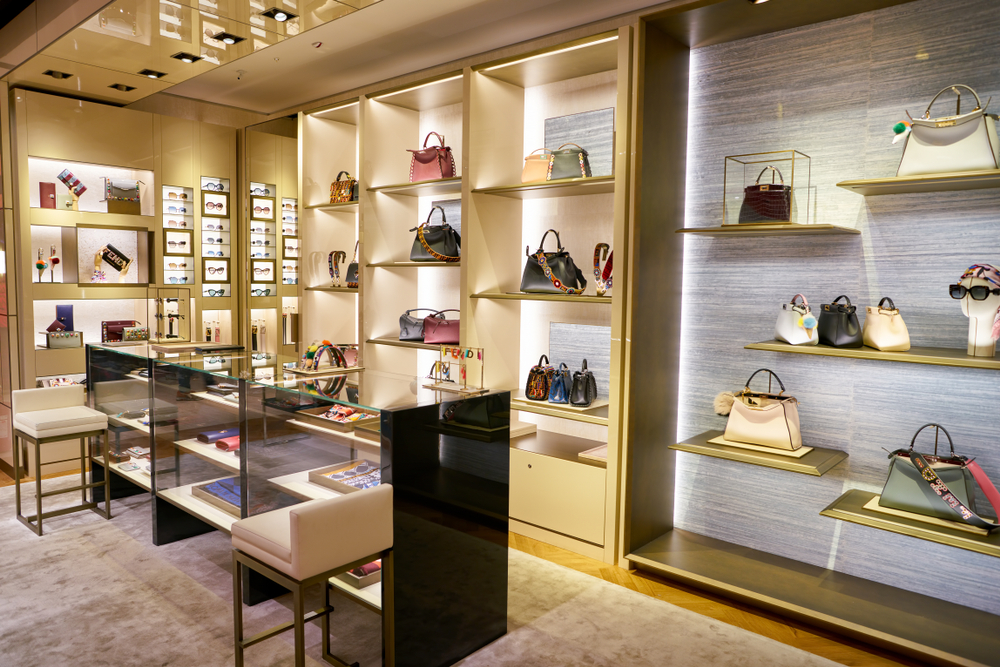
Until recently, the premium sector was only mildly affected by geopolitics, but current disruptions in the Middle Eastern market have revealed a problem. In recent years, countries in the region have become an important market, accounting for 5–6% of global brand sales according to Morgan Stanley, with customers including both locals and tourists. Flight restrictions or complete airspace closures have affected countries such as the United Arab Emirates and Qatar, reducing shopping volumes in malls. However, the situation is a double-edged sword, as wealthy Arab customers also like to shop in Europe. The financial results of luxury brands in the first quarter of this year only confirmed these effects. For example, LVMH stated that the conflict affected its organic growth, with a 30–70% drop in demand in some regions. Another example is Kering, whose sales fell by 11%. The French Hermès also stated that lower tourism impacted its wholesale sales. Investor nervousness in April was also reflected in the stock market performance of these companies, as they fear the disruptions may not be short-term.
Fragile link between tourism and shopping
The premium goods sector has struggled in recent years with lower global demand, especially in key markets, and current events only highlight their geographic concentration. As mentioned, airport closures led to declines in sales, even in the most important shopping locations—duty free zones. When this shopping flow is disrupted, the effects are immediate and significant. It shows that companies have not diversified their portfolios across markets to a sufficient extent. Naturally, changes in customer behavior must also be considered, as during times of tension, customers tend to be more cautious.
Higher costs for cosmetics
While luxury brands are dealing with weaker demand, the cosmetics sector faces the problem of a sharp rise in costs. The reason is high oil prices, which affect the petrochemical industry and increase the cost of plastics and other materials. Reuters reports that logistics is also an issue, as confirmed by several companies. The closure of the Strait of Hormuz requires finding alternative routes, leading to higher costs and longer delivery times. According to Reuters, the cosmetics brand Ancorroti stated that delivery times may extend from 8 weeks to as much as 14. There is also a shortage of available containers. Companies therefore face a decision whether to pass costs on to customers or absorb them at the expense of profitability. For example, the Italian decorative cosmetics brand Kiko Milano estimates that supply costs will rise to around €1.5 million during the year. CNBC reports that large companies are beginning to openly discuss the need to adapt to new conditions, as initial results already show the impact of the conflict.

.svg)
.svg)